The European Union revamps its Innovation Agenda
The EU seeks to re-establish itself as a global innovation leader with a raft of initiatives focused on promoting deep-tech innovation at EU and member state levels.
The EU seeks to re-establish itself as a global innovation leader with a raft of initiatives focused on promoting deep-tech innovation at EU and member state levels.

The European Commission takes a nuanced look at the implementation of the European Innovation Council through the growing pains of its first years.

Erasmus+ should be accessible for everyone. Commission, Parliament and civil society draw lessons from the last programme generation to improve inclusion.
The Stick to Science initiative calls on President von der Leyen to safeguard science collaboration in Europe by allowing UK and Switzerland to join Horizon.

Experts discussed the role of research, innovation, vocational education & training, and Swiss-EU collaboration for sustainable energy production & efficiency.

The European Commission announced the seven winners of the Nuclear Innovation Prize, highlighting important researchers in the field of fission research.

Innovative start-ups were selected by the European Commission to receive grants, blended finance, or equity investments through the EIC Accelerator cut-off.

Education is a crucial element in fostering innovation. The EU is supporting new ways of teaching and learning to strengthen innovation eco-systems in Europe.
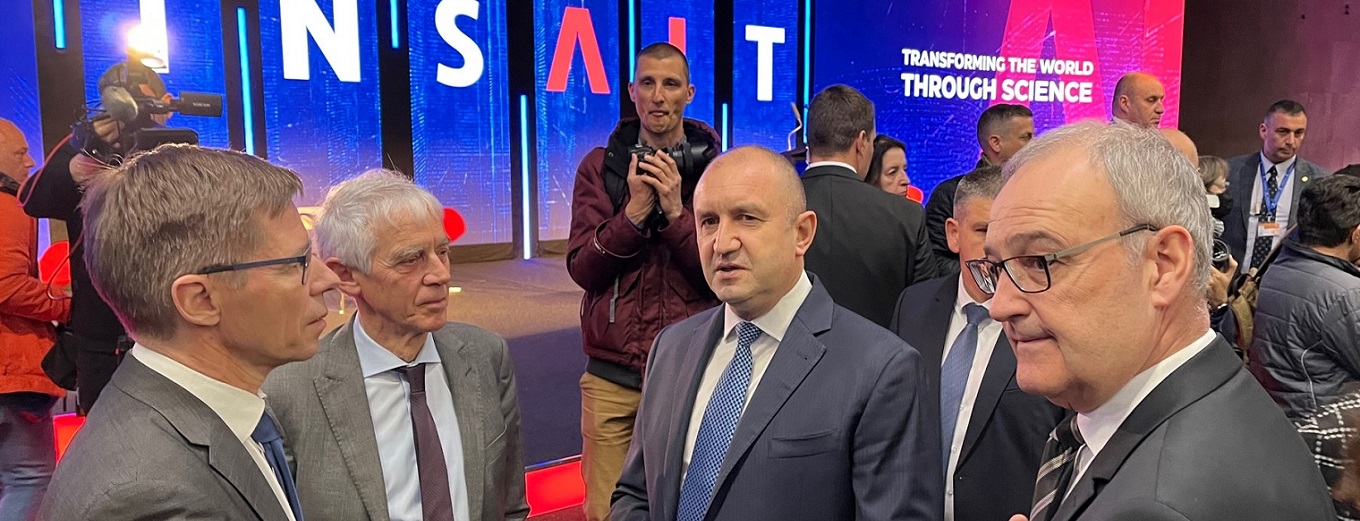
The ETH Zurich and EPFL were involved in the creation of the Bulgarian Institute for Computer Science, Artificial Intelligence and Technology (INSAIT).
The use of micro-credentials can help to ensure that citizens acquire the skills and competences needed of a fast-changing society and labour market.