
What we learn from Erasmus+ 2014-2020 for inclusion
Erasmus+ should be accessible for everyone. Commission, Parliament and civil society draw lessons from the last programme generation to improve inclusion.
Erasmus+ should be accessible for everyone. Commission, Parliament and civil society draw lessons from the last programme generation to improve inclusion.
The Stick to Science initiative calls on President von der Leyen to safeguard science collaboration in Europe by allowing UK and Switzerland to join Horizon.
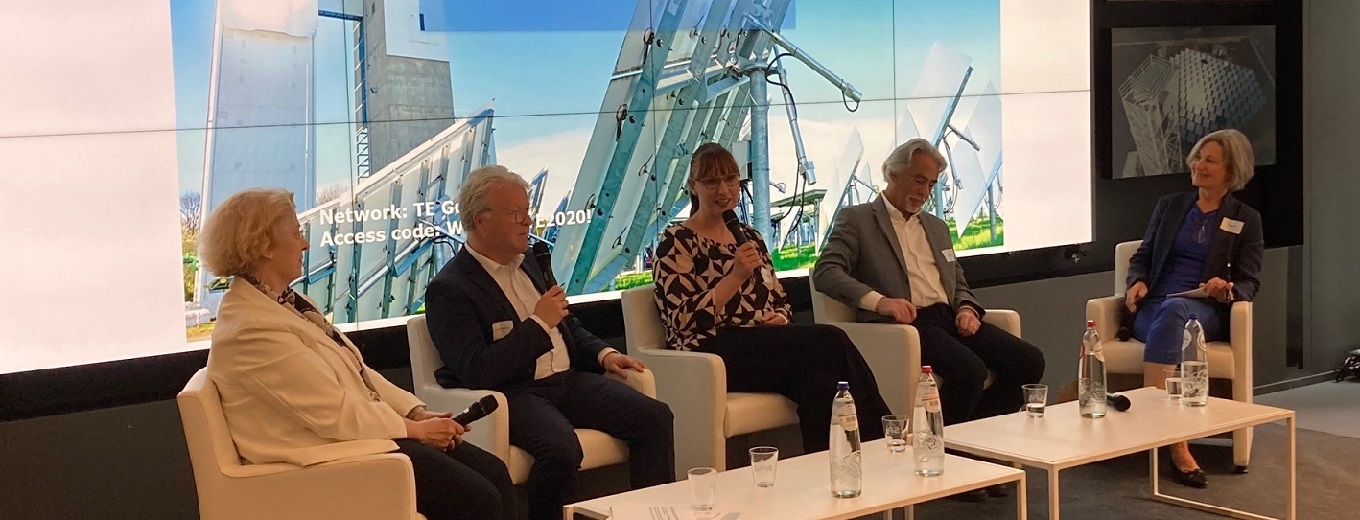
Experts discussed the role of research, innovation, vocational education & training, and Swiss-EU collaboration for sustainable energy production & efficiency.
The European Commission announced the seven winners of the Nuclear Innovation Prize, highlighting important researchers in the field of fission research.
Innovative start-ups were selected by the European Commission to receive grants, blended finance, or equity investments through the EIC Accelerator cut-off.

Education is a crucial element in fostering innovation. The EU is supporting new ways of teaching and learning to strengthen innovation eco-systems in Europe.
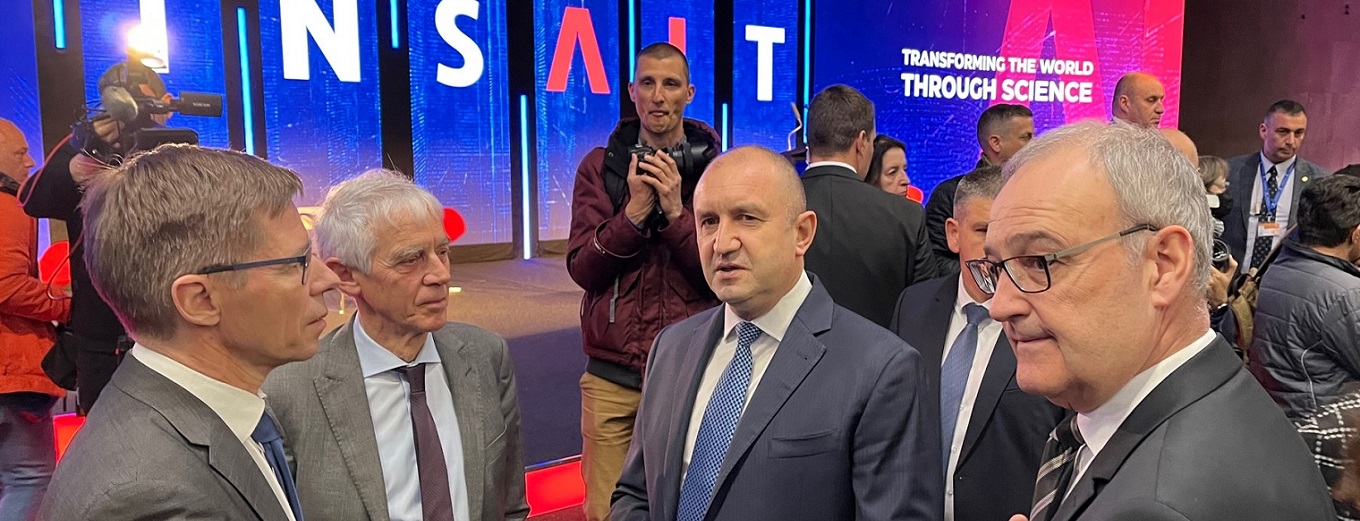
The ETH Zurich and EPFL were involved in the creation of the Bulgarian Institute for Computer Science, Artificial Intelligence and Technology (INSAIT).
The use of micro-credentials can help to ensure that citizens acquire the skills and competences needed of a fast-changing society and labour market.

The report indicates that progress was made in implementing the EU Bioeconomy Strategy and its action plan, but identifies gaps for future action.
A study on the factors impeding research productivity finds that beyond funding, several other factors need to be addressed to increase the research output.