As EU budget negotiations take shape, Swiss ERI communities are making the meantime count.
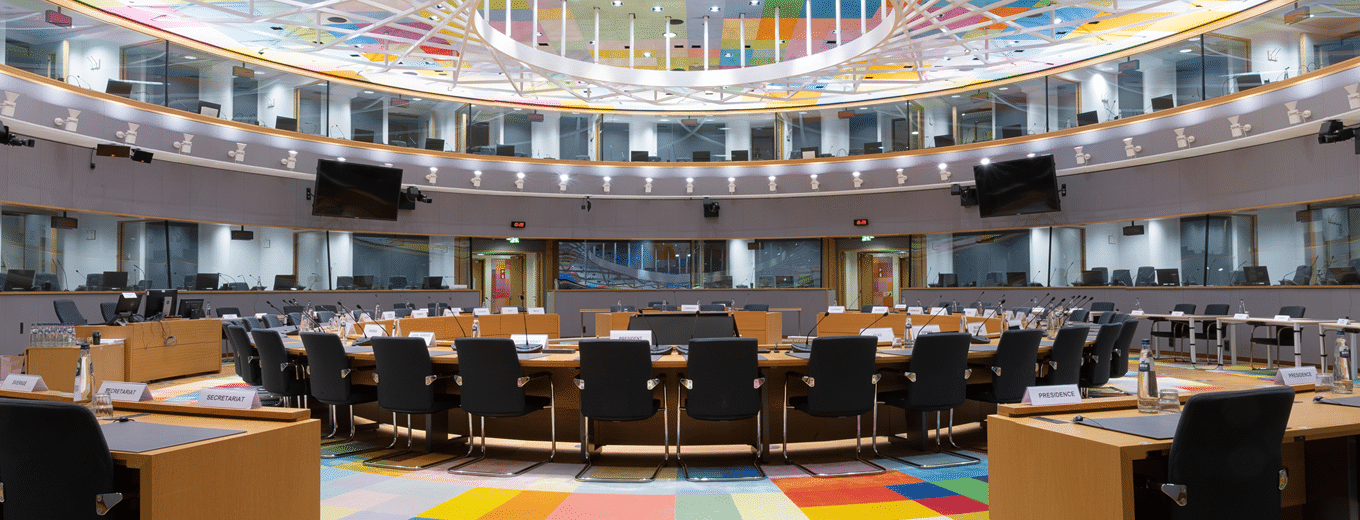
“Good things come to those who wait”, as the saying goes, and the EU is no exception. Almost a year and a half after the European Commission (EC) tabled its proposals for the next Multiannual Financial Framework (MFF) in July 2025, both the Council and the European Parliament (EP) have adopted their negotiation positions. However, the most important part – the budget – must first be agreed before trilogues on individual programmes, including Horizon Europe and Erasmus+, can begin. Yet EU Member States are struggling to reconcile their differences. Both the Cypriot and Irish Council presidencies have sought unsuccessfully to accommodate national spending priorities. European Council President António Costa has therefore proposed a third ‘negotiating box’, which reduces the competitiveness budget by a further €20 billion in current prices, while sparing Horizon Europe and Erasmus+. The figures have been discussed at a summit of EU leaders on 26 November, which did not yield any progress. Another European Council is scheduled for mid-December, which will be the last chance to reach a budget agreement before the end of the year.
The frequent gatherings of EU leaders underline the pressure to reach an agreement in time for the EU’s programmes to continue smoothly from the start of 2028. The timetable is particularly important for third countries including Switzerland, which must wait for Member States and the EP to agree on the budget and structure of the next research and innovation (R&I) framework programme before association negotiations can formally begin. First, however, the co-legislators must resolve significant differences (see SwissCore article).
While much of Brussels has been occupied with the evolving debate around the MFF, the wider policy agenda continues to advance. On 4 November, the EC published its annual work programme for 2027. Although the EU executive proposes fewer initiatives than in previous years, the European Universities Initiative 2.0, planned for the fourth quarter, stands out. Through legislative and voluntary measures, the EC aims to establish a legal status for university alliances and – you guessed it – strengthen Europe’s competitiveness. More broadly, the work programme focuses on advancing existing proposals, including the Technology Sovereignty Package (see SwissCore article), EU Inc. (see SwissCore article), and the MFF.
In the Swiss knowledge sector, with the potential association to Erasmus+ as of January 2027 being on a very positive trajectory, the mood at this year’s Education Seminar could not have been better. Held on 3-4 November, the seminar focused in particular on the centrally managed Erasmus+ actions, such as Teacher Academies, Alliances for Innovation and Capacity Building. It also explored the shift towards ‘inclusive excellence’ and the EC’s proposed Erasmus+ programme for 2028-34 (see SwissCore article).
On Horizon Europe, we welcomed four colleagues from the Euresearch Regional Offices in Basel, Fribourg and Lausanne for a training week from 16-19 November. Discussions covered developments of the European Research Council (ERC), Marie-Skłodowska-Curie Actions (MSCA) and health research. They also addressed cross-cutting topics, including the European Research Area (ERA) and the work programmes’ comitology processes. The participants kindly shared their reflections on this packed week (see SwissCore article).
To close, good things may come to those who wait, but we can already make the most of the meantime. While negotiations in Brussels run their course, exchanging perspectives and strengthening connections help us prepare for the next chapter in European research, innovation and education.