
Highly popular destination returns to Erasmus
The UK will rejoin Erasmus+ in 2027 after a post-Brexit break, restoring key mobility and cooperation opportunities across Europe.

The UK will rejoin Erasmus+ in 2027 after a post-Brexit break, restoring key mobility and cooperation opportunities across Europe.

Digitalisation is a strategic goal of Erasmus+. A recent EU study examines the worldwide role of the programme in digital education.

The EU reveals new guidelines on informatics teaching and AI ethics in education, as ETUCE explores AI governance in higher education.

Following the Preparedness Union Strategy of the EU, a first report on preparedness education in early childhood and primary education has been published.

The Action Plan against cyberbullying aims to protect young people online, addresses issues embedded in society and focuses on solutions like digital literacy.
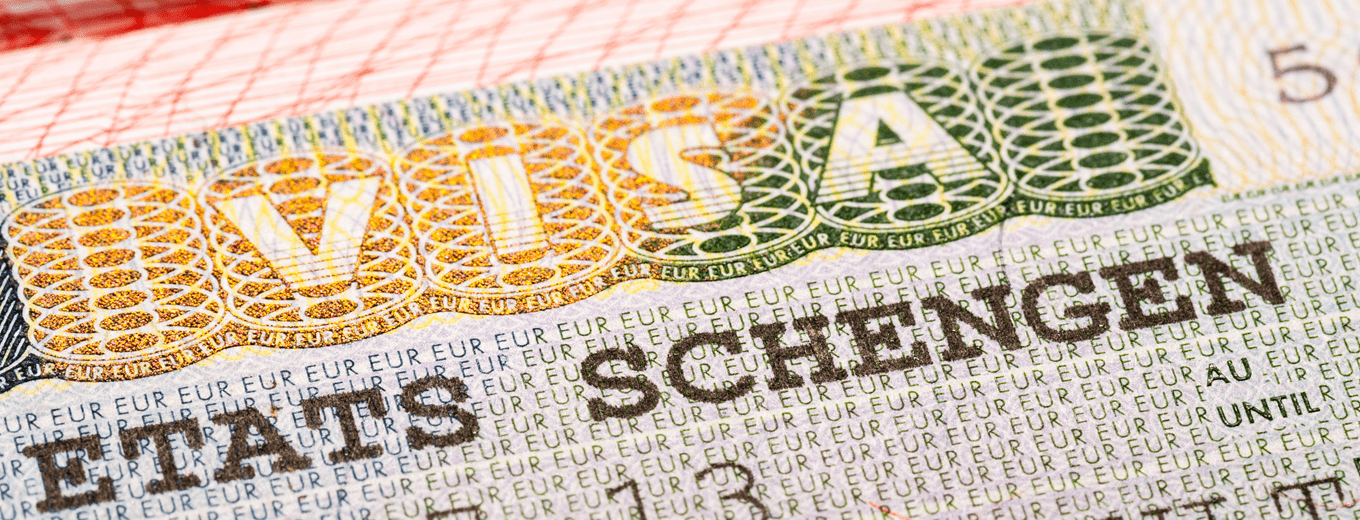
The new EU visa policy strategy: between secure EU borders, digitalisation and attraction of global talent for innovation and research.

With the increasing focus on academic values, the European Commission proposes guidelines that support “a just, vibrant, and competitive research ecosystem”.

With Centres of Vocational Excellence (CoVEs), Europe tackles skills shortages by linking education, industry, and regions for future-ready training.

Young people show strong interest in entrepreneurship, yet few start businesses. A new OECD-EC report offers five policy pointers to change this trend.

DigComp 3.0 introduces new priorities, learning outcomes and proficiency levels to close digital skills gaps and prepare for emerging technologies.