
Artificial Intelligence in teaching and learning
While the EU regulation on AI is still being negotiated, the new ethical guidelines give support and advice to teachers using AI in schools.
While the EU regulation on AI is still being negotiated, the new ethical guidelines give support and advice to teachers using AI in schools.

The EU is proposing new hands-on guidelines to foster digital literacy and critical thinking in primary and secondary education.

For the first time, the EU recognises the central role that young people play in global sustainable development and EU external action.

A new EIT report calls for the modernisation of public and private digital skills provision in all education systems to reach the EU skills targets by 2030.

The Erasmus+ work programme 2023 places a focus on refugees from Ukraine and introduces the seal of excellence to facilitate synergies between Union programmes.

The flagship European University initiative is expanding and includes, for the first time, universities from Switzerland.
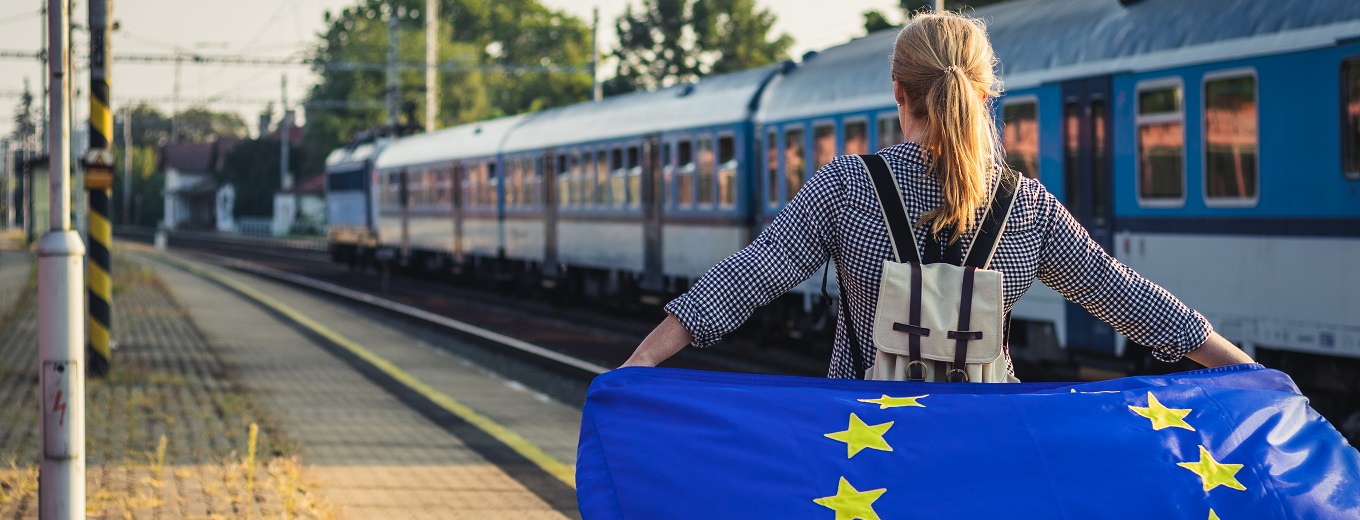
Young Europeans met in Prague to discuss the future of Europe and the current challenges in the framework of the Ninth Cycle of the EU Youth Dialogue.

Erasmus+ should be accessible for everyone. Commission, Parliament and civil society draw lessons from the last programme generation to improve inclusion.

Education is a crucial element in fostering innovation. The EU is supporting new ways of teaching and learning to strengthen innovation eco-systems in Europe.
The use of micro-credentials can help to ensure that citizens acquire the skills and competences needed of a fast-changing society and labour market.